
Google has launched an experimental AI-powered gaming platform that allows users to create and share browser-based games using text prompts, lowering the technical barrier to game development.
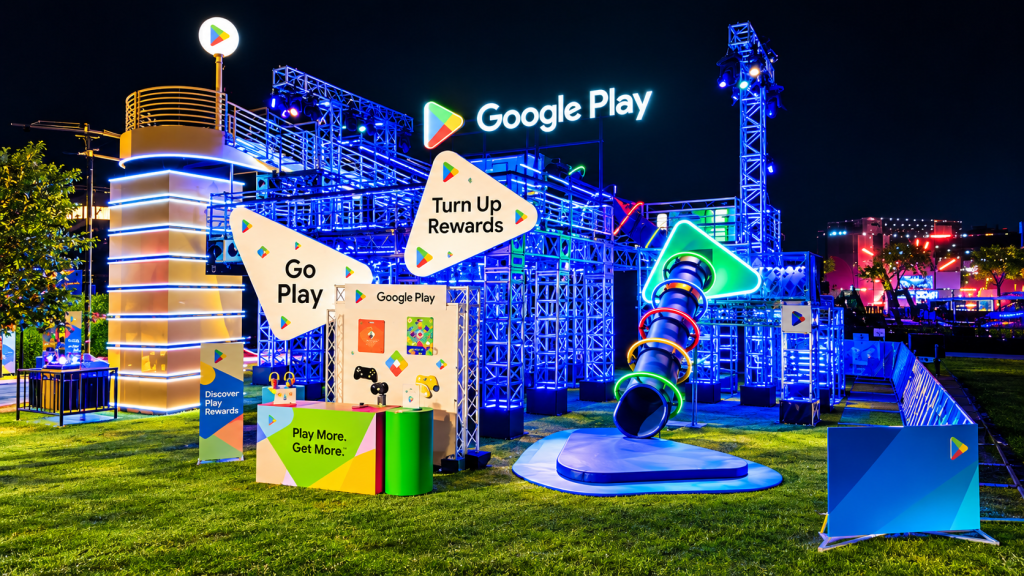
The platform, called Playground, was launched Wednesday through Google Labs. It allows users to describe a game they want to build without writing code, with the AI generating the underlying game experience. Users can choose between 2D and 3D games and single-player or multiplayer formats, then refine gameplay, characters, rules and visual environments through additional prompts.
Playground also allows users to upload images that its AI can transform into game assets suited to the overall visual style of their projects. Completed games can be played on computers and mobile devices, kept private, shared through links or published to Playground’s Explore gallery.
Google said users can continue modifying games after publishing them. Public games can also include features such as leaderboards and Google Play Games profile integration, turning Playground into both a creation tool and a community for discovering and playing AI-generated games.
The company plans to deepen the platform through a partnership with Unity, one of the world’s major game-engine technology providers. Google and Unity said they are working on a Unity Spark integration that will bring more advanced 3D capabilities, professional-level game mechanics and access to the Unity runtime to Playground.
The launch reflects a broader shift in gaming as generative AI makes it possible for people without traditional programming, design or illustration skills to create interactive experiences. Meta has also been experimenting with AI-generated games through its Pocket platform, while Roblox has introduced tools that allow users to build games using natural-language prompts.
For Google, Playground also represents another attempt to establish a position in interactive entertainment after its previous cloud-gaming service Stadia failed to gain traction. The company has since experimented with web-based games through YouTube Playables and has invested heavily in AI systems capable of generating interactive environments.
Google’s latest platform draws on its broader AI capabilities, including models designed to understand and generate visual and interactive content. The company has previously experimented with Project Genie, an AI system that creates explorable game-like worlds from text and images.
Playground is initially available to users aged 18 and older in the United States. Playing games in the catalogue is free, while game creation uses a weekly token system, with Google One AI subscribers receiving higher usage limits. Google said it plans to expand the platform to additional countries.
The launch gives Google another avenue to test how consumers respond to AI-generated entertainment while potentially creating a new ecosystem where users can build, share and play games without the traditional costs and technical expertise associated with game development.
Stay ahead of the Stories shaping our world. Subscribe to Impact Newswire and join our
WhatsApp Channel for updates on global tech, business, and innovation—all in one place.
Dive deeper into the future with the Cause Effect 4.0 Podcast, where we explore the ideas, trends, and technologies driving the global AI conversation.
Got a story to share? Contact Us to reach a global audience with Impact Newswire.
Discover more from Impact AI News
Subscribe to get the latest posts sent to your email.
